National Association of County and City Health Officials (NACCHO)
Client Category: Government
Service Category: Graphic + Web Design; Marketing + Communications Strategy; Writing + Editing; Research Translation;
NACCHO provides resources to help local health department (LHD) leaders develop public health policies and programs to ensure that communities have access to the vital programs and services people need to keep them protected from disease and disaster.
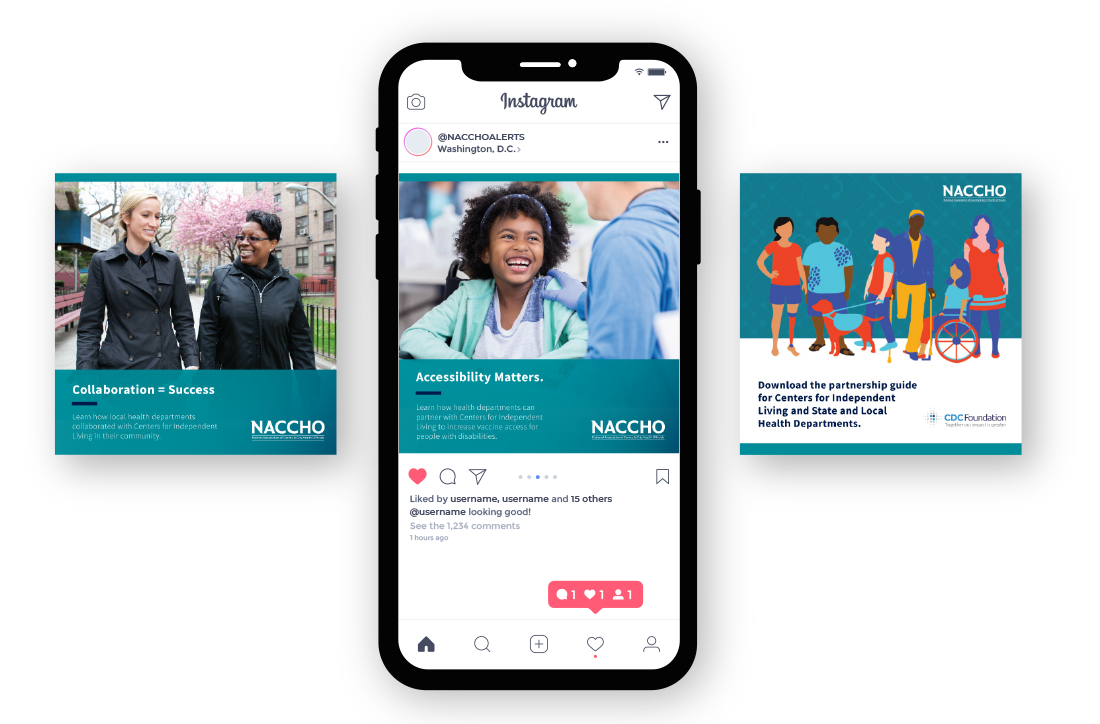
Impact, in collaboration with NACCHO, developed marketing and communications materials to encourage local health agencies to partner with Centers for Independent Living (CILs) to improve health outcomes and increase access to information and services related to COVID-19 vaccinations among persons with disabilities. These included a blog, social media kit, PowerPoint deck, LHD success stories, Website content, and partner planning tools. Impact also developed a one-hour training geared to LHDs interested in partnering with CILs to improve the health outcomes and community engagement of persons with disabilities.
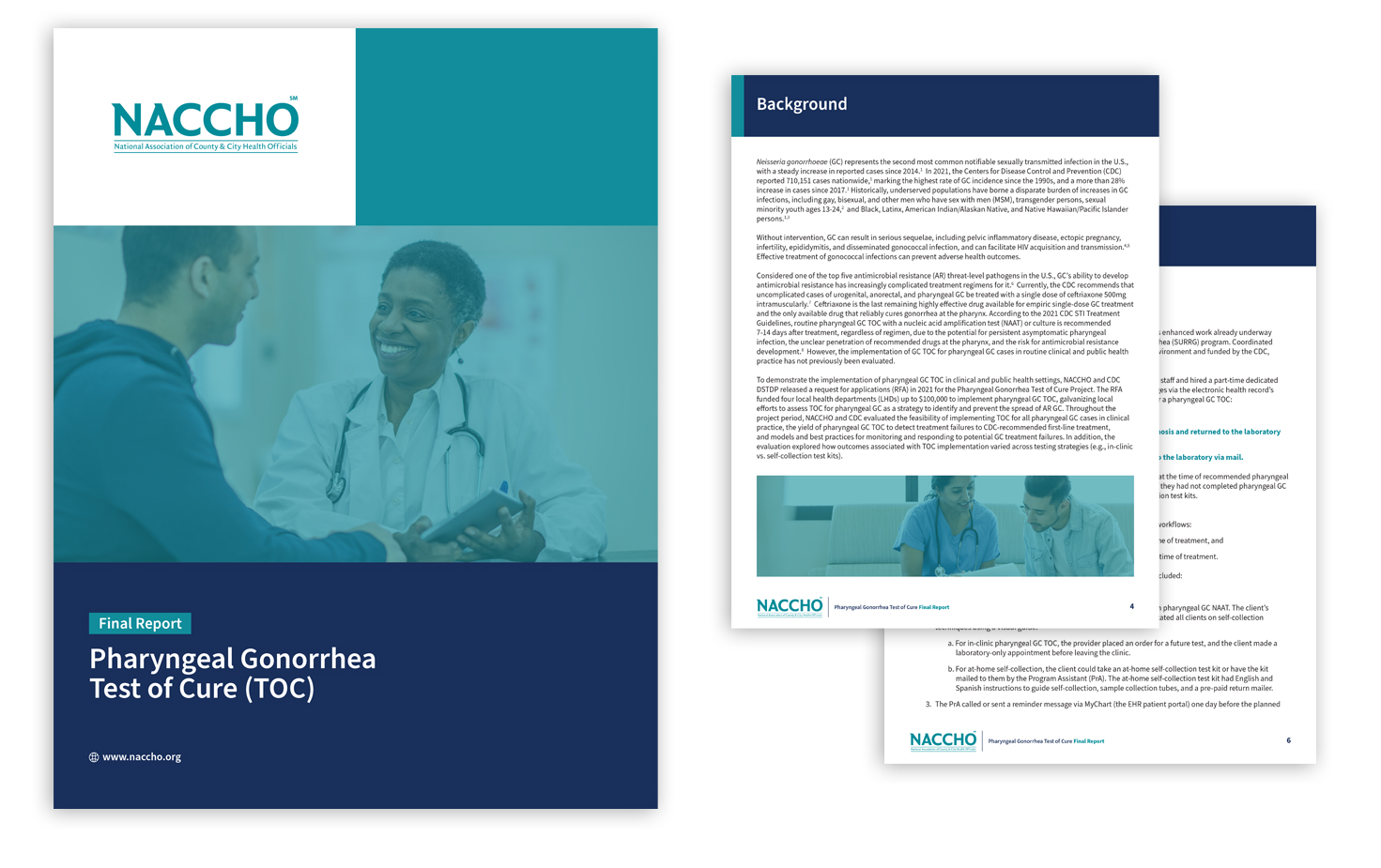
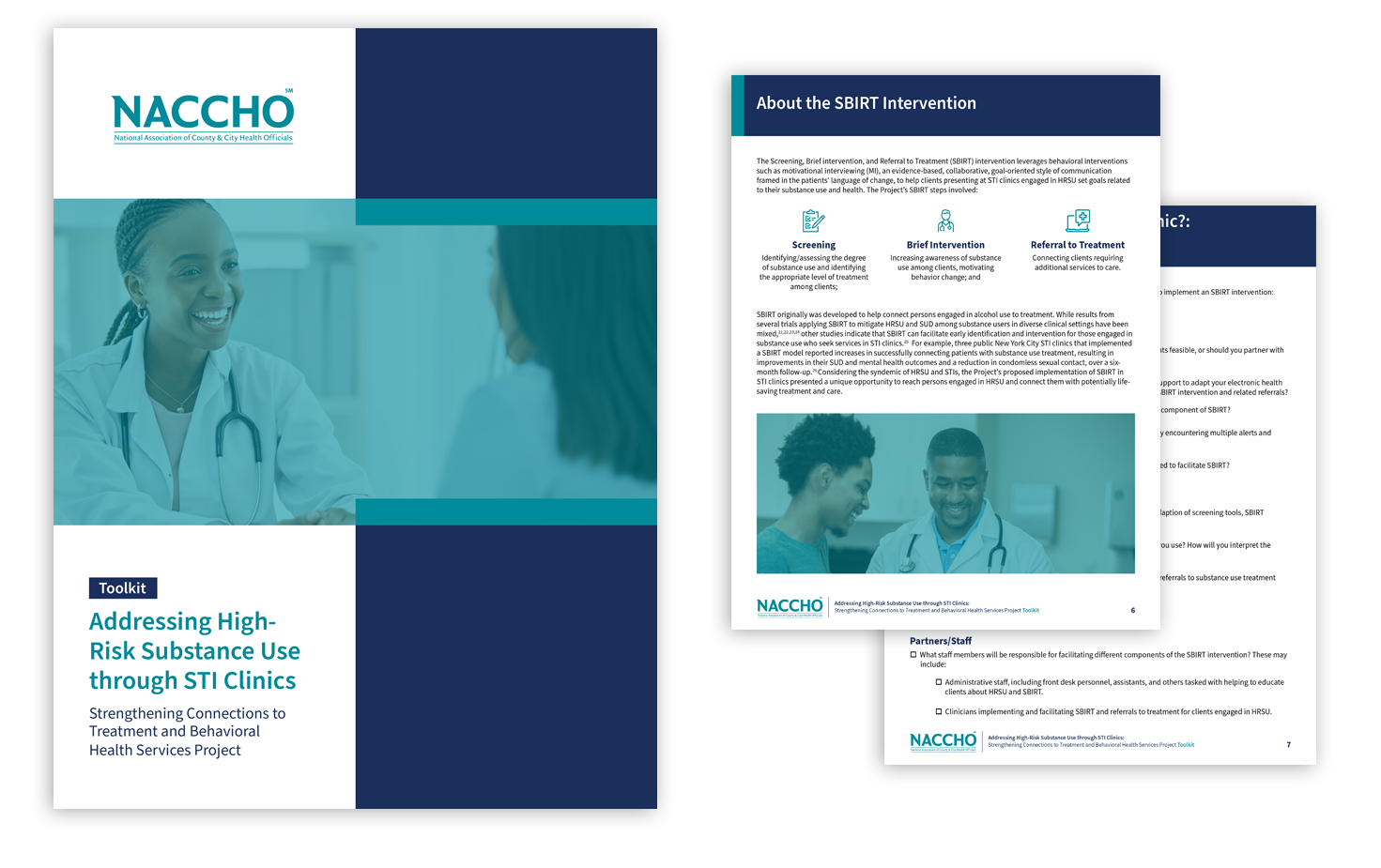
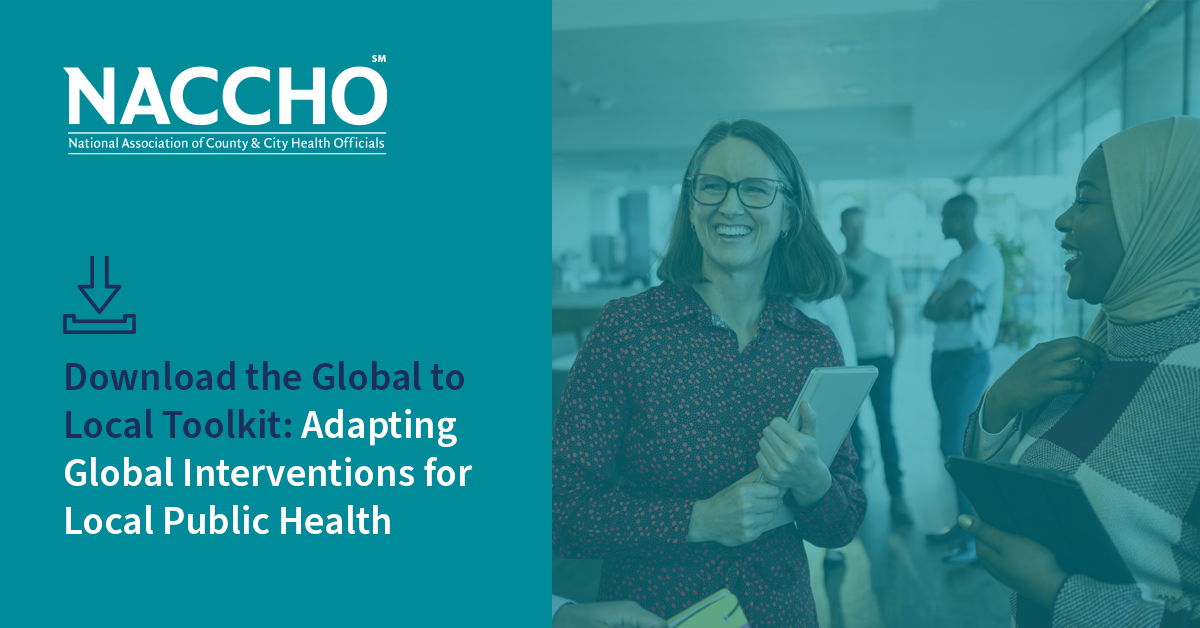
In addition, Impact worked with NACCHO to develop a series of toolkits and promotional materials including lessons on adapting global health interventions in a local context, addressing high-risk substance use through STI clinics, and pharyngeal gonorrhea test of cure best practices.
Refugee, Immigrant, and Migrant (RIM) Programs
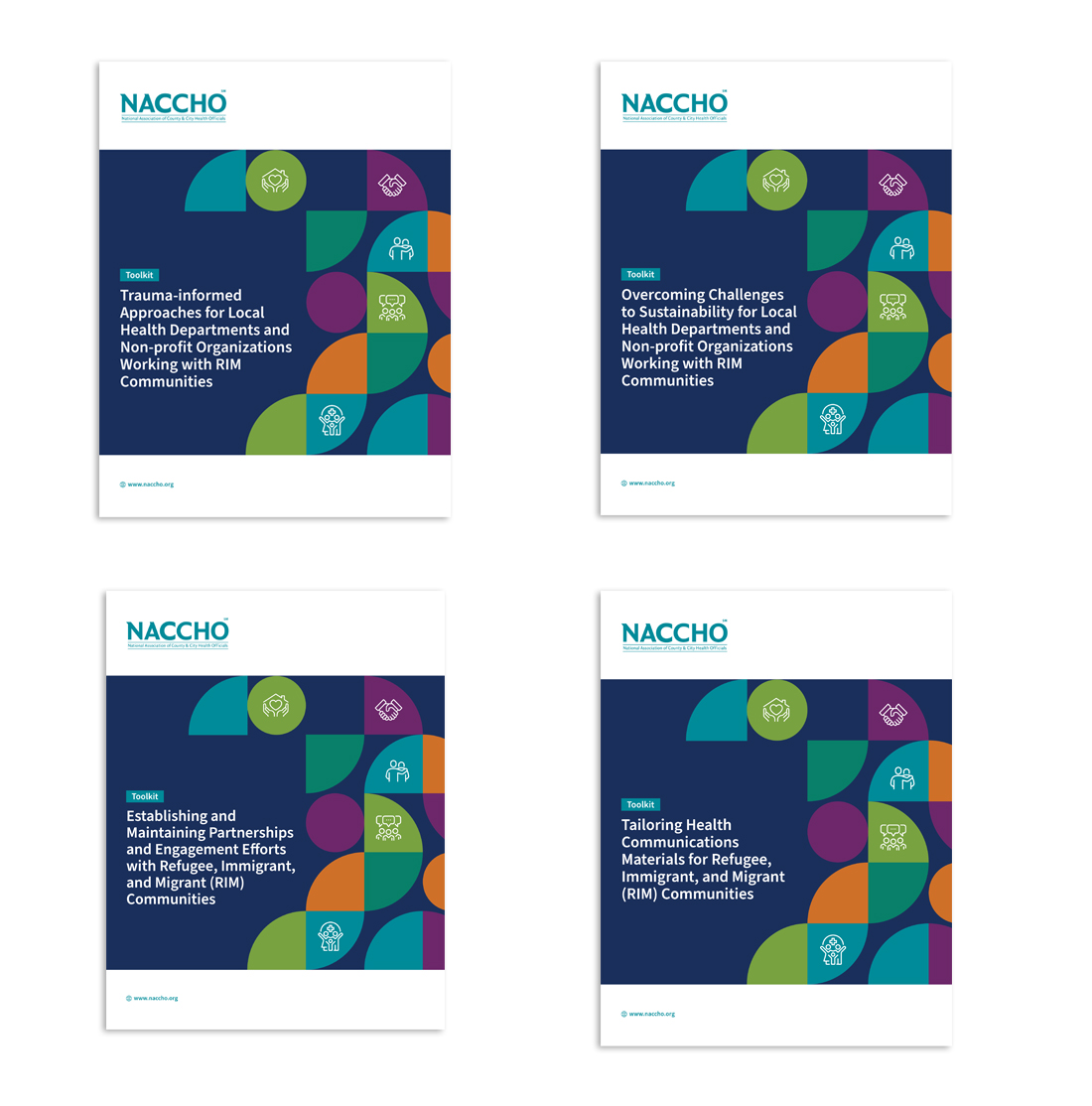
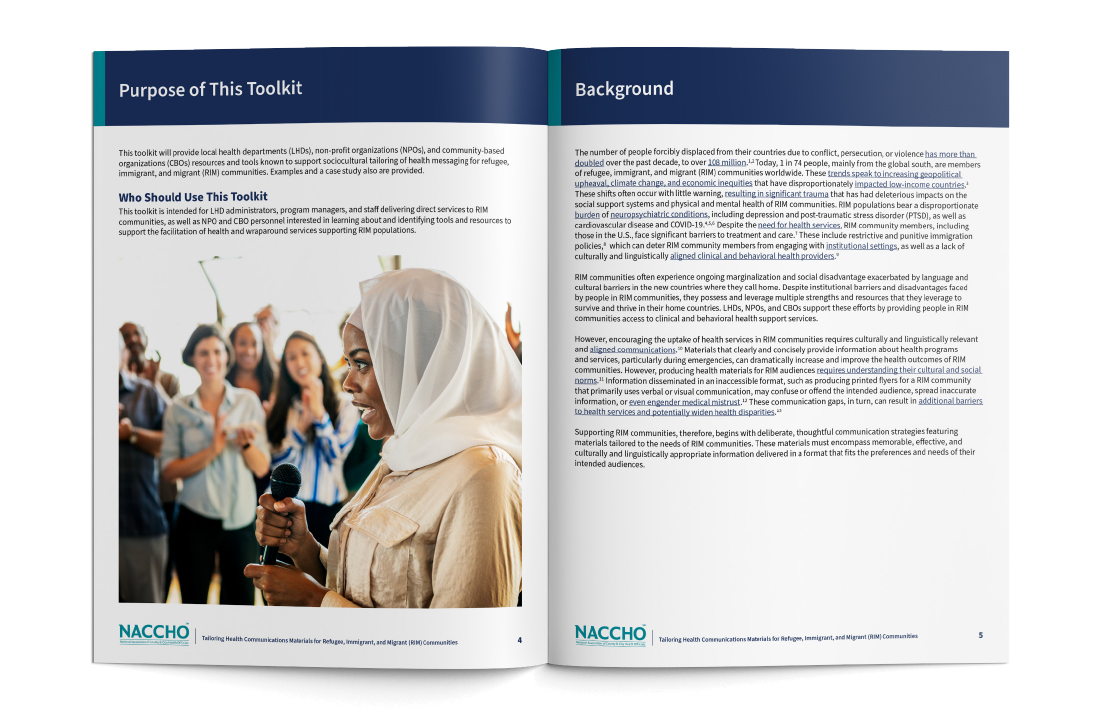
Our collaboration with the National Association of County and City Health Officials (NACCHO) on their Refugee, Immigrant, and Migrant (RIM) Program aimed to strengthen public health systems serving RIM communities. We developed four comprehensive toolkits, along with webpage graphics and social media content, addressing critical areas such as health communication, partnership building, trauma-informed care, and sustainability.
To inform this work, Impact developed a research methodology to identify key information, training needs, and audience segmentation. Impact led a content and research analysis of available research, pilot project findings, and recommendations.
These toolkits provide practical resources and guidance regarding a barrier to RIM health access and establish processes for addressing the challenge and replicating it in local jurisdictions.